
Reducing Risk Through Standardized Reporting and Workflow Automation
See how Voicebrook helps pathology labs build more consistent reporting workflows, reduce manual touchpoints, and keep pathologists focused on diagnosis.
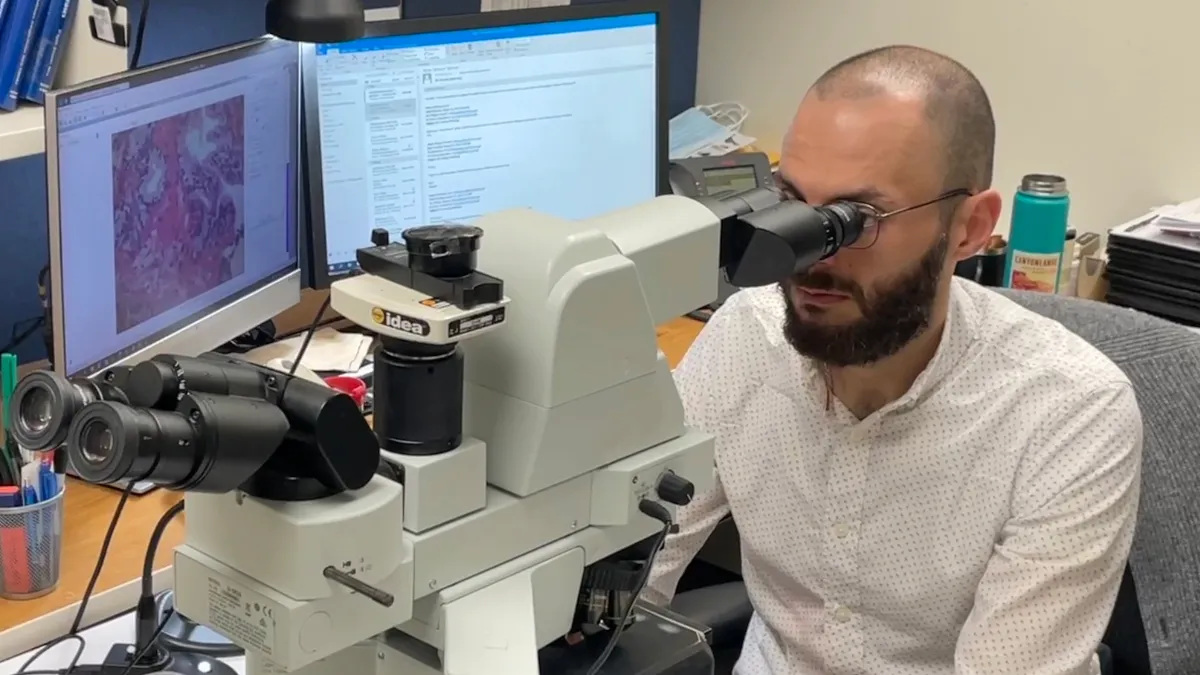
See how Voicebrook helps pathology labs build more consistent reporting workflows, reduce manual touchpoints, and keep pathologists focused on diagnosis.
In the pathology laboratory, risk doesn’t always announce itself.
Sometimes, it looks like a missed field in a report. A step completed from memory instead of prompted by the workflow. A pathologist interrupted midway through a case. Information copied from one system to another. A reporting process that works slightly differently depending on who is sitting at the workstation.
None of these moments necessarily leads to an error. In fact, most of the time, they probably don’t. But each one introduces an opportunity for something to be missed.
For pathology labs balancing growing case volumes, staffing pressures, evolving reporting requirements, and increasingly complex technology environments, reducing risk isn’t simply about asking people to be more careful. It’s about designing workflows that make consistency easier.
That’s where standardized reporting and workflow automation can make a meaningful difference, and it’s where Voicebrook stands apart from other vendors in the pathology reporting arena.
Variation Creates More Opportunities for Error
It’s natural that pathologists develop individual ways of working. Experienced professionals know how they prefer to review cases, document findings, and build reports. The challenge comes when the underlying reporting workflow also varies.
One pathologist may dictate a report from beginning to end. Another may move between dictation, templates, and manual entry. Someone else may keep mental notes about information that needs to be added later. Certain case types may require a separate checklist or additional steps in another application.
Over time, labs can accumulate layers of workflow variation. The process still functions, but it often relies heavily on individual habits and institutional knowledge. Here’s the issue: the more a workflow depends on someone remembering the next step, the more vulnerable it becomes to interruptions, distractions, and simple human variability.
Standardization doesn’t mean forcing every pathologist to work identically. It means creating a consistent framework around the reporting process so critical steps are less likely to depend on memory alone.
Building Consistency Into the Reporting Workflow
A standardized reporting environment helps guide users through the information required for a complete report.
With Voicebrook and VoiceOver PRO, labs can build reporting workflows that incorporate templates, required fields, validations, prompts, and other workflow controls directly into the reporting process. Instead of relying on each pathologist to remember every required element, the system can help identify missing or inaccurate information before the report moves forward. It’s the backup that every pathologist needs, allowing them to sit in the driver’s seat but with a second set of “eyes” keeping watch, just in case.
That distinction matters. A reminder or correction sent after a report has already been completed just creates another task. But validation built into the reporting workflow can address the issue while the pathologist is still actively working on the case. The goal isn’t to add more oversight. It’s to create a workflow that supports the way pathologists work while reducing avoidable gaps.
This is especially important for structured reporting. The College of American Pathologists’ electronic Cancer Protocols (eCP) require specific data elements and standardized responses. VoiceOver PRO allows pathologists to complete CAP eCPs using voice while validations and workflow logic help support complete, structured data capture.
The technology becomes part of the reporting process rather than another system the pathologist has to manage separately.
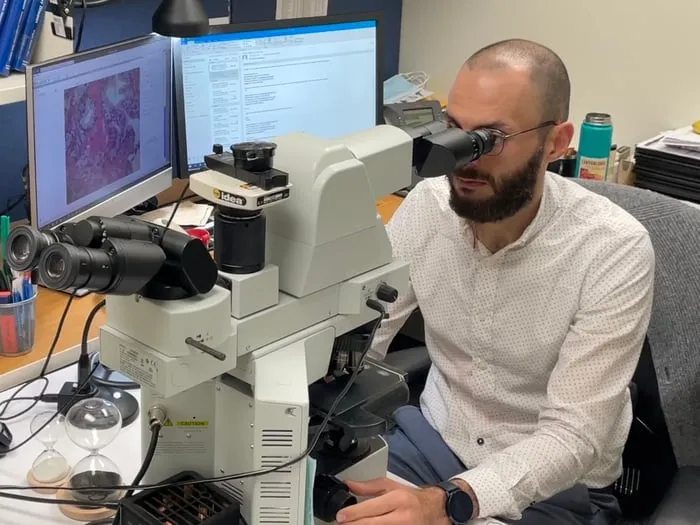
Automation Removes Manual Touchpoints
Risk can also accumulate in the spaces between systems.
When information must be copied, re-entered, reformatted, or manually moved from one application to another, every additional touchpoint introduces another opportunity for inconsistency.
Consider a workflow where a pathologist reviews a case, dictates findings, waits for transcription, reviews the report, identifies missing information, and sends it back for correction. Each handoff adds time, but it also adds another point where information can be misunderstood, omitted, or delayed.
Workflow automation can eliminate many of these unnecessary steps. VoiceOver PRO enables pathologists to author reports directly within their reporting environment, using speech to navigate workflows, populate report content, complete structured data, and trigger automated actions. Depending on the lab’s configuration, automation can support tasks ranging from report formatting and validation to scanner-driven workflows and coding processes.
The fewer manual steps required to move information through the reporting process, the fewer opportunities there are for something to get lost along the way.
Reducing the Cognitive Burden on Pathologists
There is another type of risk that is harder to measure: the mental effort required to manage the workflow itself.
Pathologists are already processing complex clinical information. When the reporting process also requires them to remember which template to open, which fields must be completed, which steps come next, and which information needs to be entered in another system, technology begins competing for their attention. That cognitive burden matters.
Workflow automation can shift some of that responsibility from the pathologist to the reporting system. Prompts can surface information at the appropriate point in the workflow. Validations can identify missing elements. Automated processes can handle repetitive actions that would otherwise require manual intervention. The pathologist remains in control of the report and the diagnostic decisions behind it. The technology simply carries more of the procedural workload.
In a well-designed workflow, automation isn’t about replacing human judgment. It’s about protecting the time and attention required for it.
Standardization Without Sacrificing Flexibility
One concern labs sometimes have about standardization is that it will make reporting too rigid.
Pathology rarely fits neatly into a single workflow. Different specialties, case types, LIS environments, and individual reporting preferences all influence how work gets done. Therefore, effective standardization has to account for that reality.
Voicebrook works with laboratories to configure reporting workflows around their existing environment and operational needs. The goal is not to impose one universal reporting process. It is to identify where consistency, validation, and automation can reduce unnecessary variation while preserving the flexibility pathologists need to practice medicine.
A dermatopathology workflow may look very different from a complex cancer resection. A grossing workflow has different requirements than final diagnosis. The controls and automation supporting those workflows should be equally specific. Standardization works best when it is applied intentionally: to the steps where consistency matters most.
Designing Risk Out of the Workflow
No technology can eliminate every possibility of error, but laboratories can reduce the number of opportunities for errors to occur.
They can replace memory-dependent steps with guided workflows. They can identify missing information before a report is completed. They can automate repetitive processes and reduce manual data movement. They can create greater consistency across users without taking diagnostic decisions out of the hands of pathologists.
These changes also result in improved efficiency, shortening turnaround times, reducing transcription dependency, and giving pathologists time back in their day. But the larger value is in the workflow itself. When reporting systems are designed to support consistency, completeness, and the way pathologists actually work, risk reduction becomes part of the process… not another task added to it.
At Voicebrook, we believe pathology technology should do more than capture words. It should help create smarter, more reliable reporting workflows that allow pathologists to focus their attention where it matters most.
More on CAP & Synoptic Reporting
Browse the topic →Faster Dictation Doesn't Always Mean Faster Reporting in Pathology
Speech recognition speeds up dictation. Workflow automation prevents pathologists from dealing with corrections and rework that happen after. Here's the difference—and why it matters.
“Isn’t Voicebrook Just A Speech Solution?” Definitely Not.
Voicebrook has evolved far beyond speech recognition. Discover how modern pathology labs are using workflow automation, structured reporting, AI tools, and intelligent workflow design to reduce friction, improve efficiency, and support digital pathology workflows.
You Standardized the Platform. So Why Is Your Pathology Workflow Still Fragmented?
Workflow variation is costing your health system. Learn how to improve consistency, visibility, and capacity across enterprise pathology.